 Compressed Air Foam (CAFS)
ATEX / IECEx CertifiedSIL 2 / SIL 3 CapableHCIS Compliant
Fire Fighting Rescue
 Compressed Air Foam (CAFS)
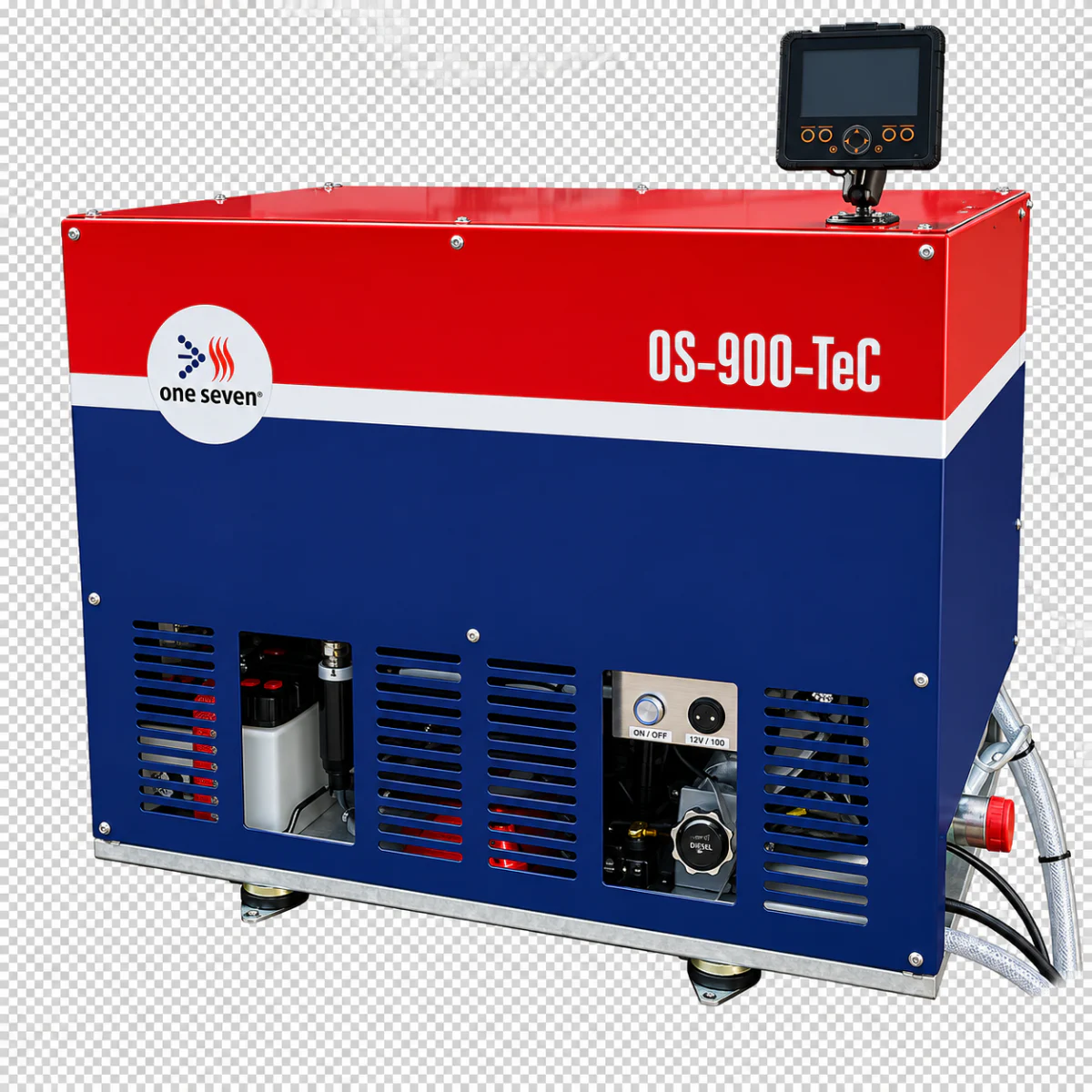
The unique One Seven technology was developed in close cooperation with science and practice. One Seven has participated in numerous scientific studies on the effectiveness of extinguishing agents and the generation of compressed air foam. The scientific results determined by neutral institutes and universities are an important basis for today's One Seven system technology. The feedback from fire departments from thousands of operations is also an important criterion for us for the further development and permanent optimization of our systems. The result of this research and development work are absolutely reliable systems which produce compressed air foam with an optimum expansion ratio and an optimum foam structure. We can proudly claim that the One Seven technology in combination with the One Seven foaming agents produces the world's best extinguishing foam with the highest extinguishing efficiency. In the patented One Seven® process the One Seven® foaming agent is mixed into water depending on the volume flow. This mixture is foamed with compressed air in One Seven® foam generators. Hereby seven parts of foam are produced from one part of water. This significantly increases the effective surface of the extinguishing agent which contributes to particularly fast and efficient firefighting. The generation of One Seven compressed air foam is controlled automatically. The flow ratios, foaming agent quantity, foaming agent consistency and compressed air are permanently monitored. If parameters change due to altered influencing factors as temperature or discharged flow rate the system is adjusted immediately. The result is an always constant, reproducible foam quality which is characterized by a particularly homogeneous and fine bubble structure. This foam structure leads to unmatched positive effects in firefighting. The production of One Seven® compressed air foam consumes considerably less water than other extinguishing processes. This means that the water supply can be made smaller or the operating times with conventional tanks can be extended. Due to the low water consumption damages caused by extinguishing water are reduced and less contaminated extinguishing water has to be disposed.